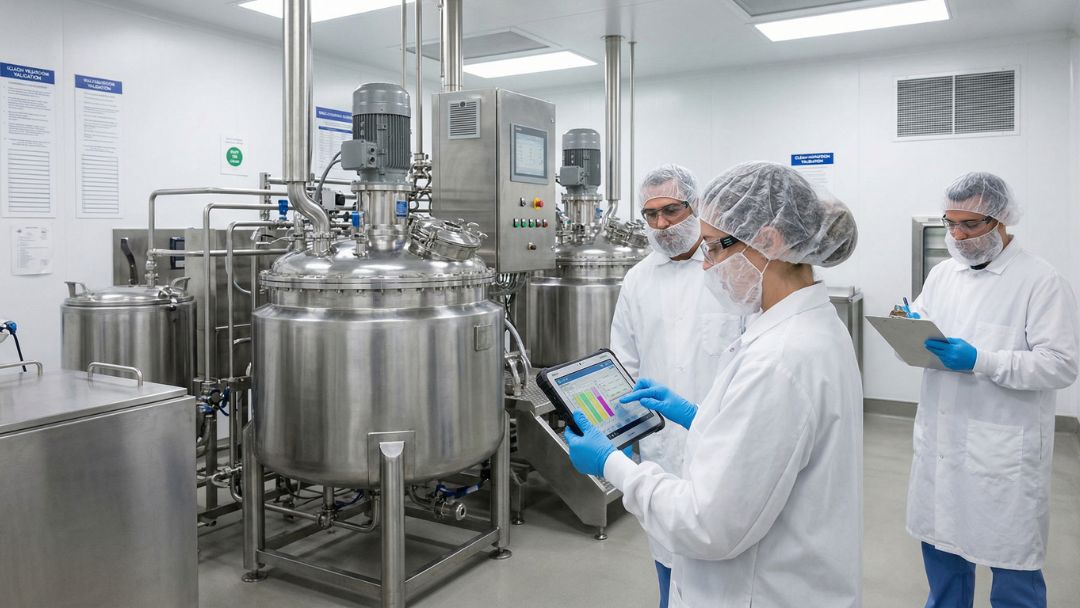
How Long Does EBR System Validation Take? A Realistic Planning Guide
Learn how long does EBR system validation take and plan timelines. Reduce errors, ensure compliance, and speed up batch release.

Learn how long does EBR system validation take and plan timelines. Reduce errors, ensure compliance, and speed up batch release.

Learn what Manual Transcription Errors in Batch Records are, why they happen, and how to prevent them to stay compliant with GMP requirements.

Understand the key differences between preclinical vs nonclinical studies and their impact on drug development and FDA processes.

Pharmaceutical companies lose millions each year when technology transfers fail. A recent study found that up to 50% of tech transfer projects experience large delays or quality issues during scale-up. Tech transfer pharma processes move products from development labs to commercial manufacturing facilities. When done right, these transfers maintain product quality while meeting regulatory requirements

Understand the importance of IND enabling studies for drug development and how they impact IND approval rates.

A recent study by Premier Research found that 24% of late-stage clinical studies fail due to strategic or commercial reasons, rather than operational issues or product safety. The main cause behind these failures is poor coordination between R&D and commercial functions that could have been prevented with proper target product profile development. Your target product

In 2023, some industry analysis revealed that 72% of pharmaceutical companies lack a regulatory strategy for drug development, which has led to an average of 2.3 years in additional development time and $400 million in unnecessary costs. Having the right regulatory strategy for drug development can make the difference between market success and costly delays.